Instructors
Ting Zhou, MFA. Assistant Professor of Digital Media & Design, University of Connecticut
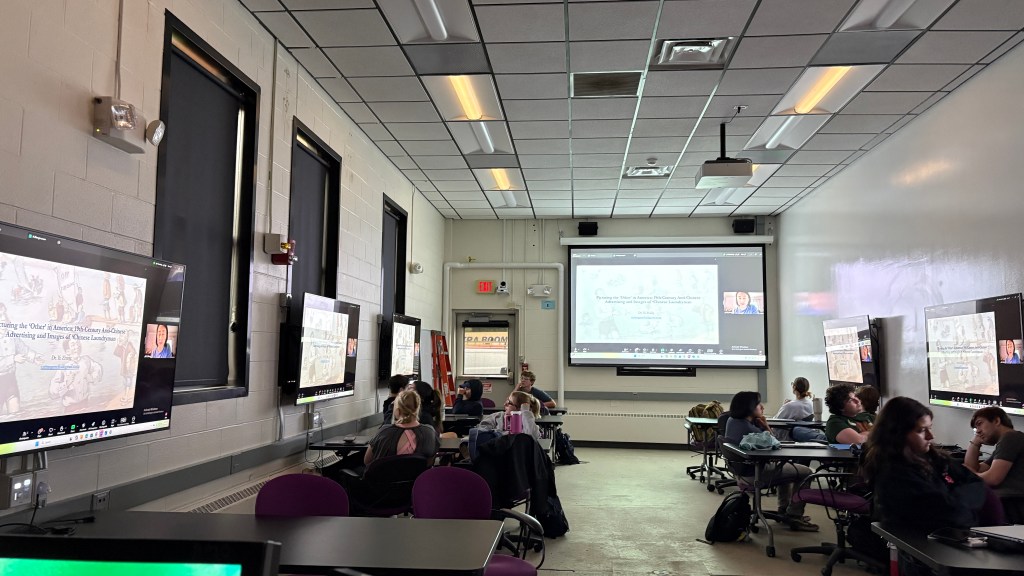
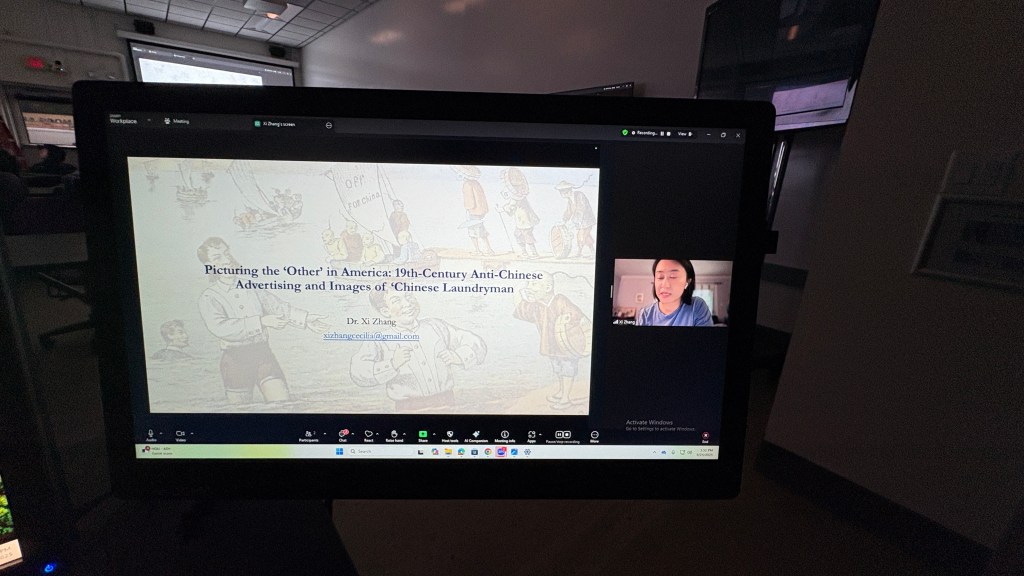
Xi Zhang, Ph.D. Exhibition Developer, Dispersed Chinese Art Digitization Project (DCADP), Center for the Art of East Asia, University of Chicago
Project Overview
In today’s world where design increasingly intersects with urgent social, cultural, and political crises, young designers must ask how their work can not only speak for themselves, but also critically engage with history while responding to present-day challenges. This project invites students to create a typographic poster that bridges the past, the self, and the present.
The project has two parts:
1) Poster Design: Choose 1-2 image(s) from the listed image database of 19th-century stereotypical images in American advertising as your major visual sources, and then pair them with a favorite quote related to social justice, incorporating both into a poster design. The combination of text and image(s) should connect to your personal experience, memories, and/or identities while also reflecting on broader social and cultural issues..
2) Reflection Statement (approx. 300-500 words): Explain why you select the image(s) and quote, how you critically understand and reinterpret the historical imagery, and how your final design engages with contemporary social issues.
If you hope to use image(s) beyond the provided list, please consult with Professor Ting Zhou in advance.
Learning Goals
This project is designed to help you:
- Gain familiarity with 19th-century American design history and visual culture;
- Develop an understanding and skills to identify stereotypes and discuss their social impact;
- Foster awareness of these historical stereotypes in order to avoid misusing questionable visual imagery in future design work;
- Recognize the responsibilities of designers in engaging with both history and society;
- Learn how to combine imagery and text to convey powerful messages.
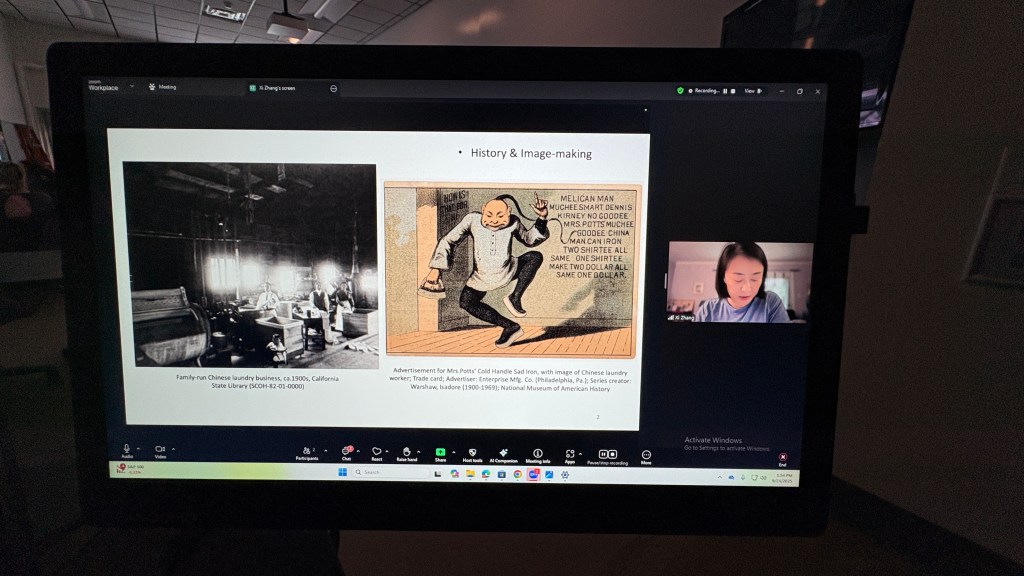
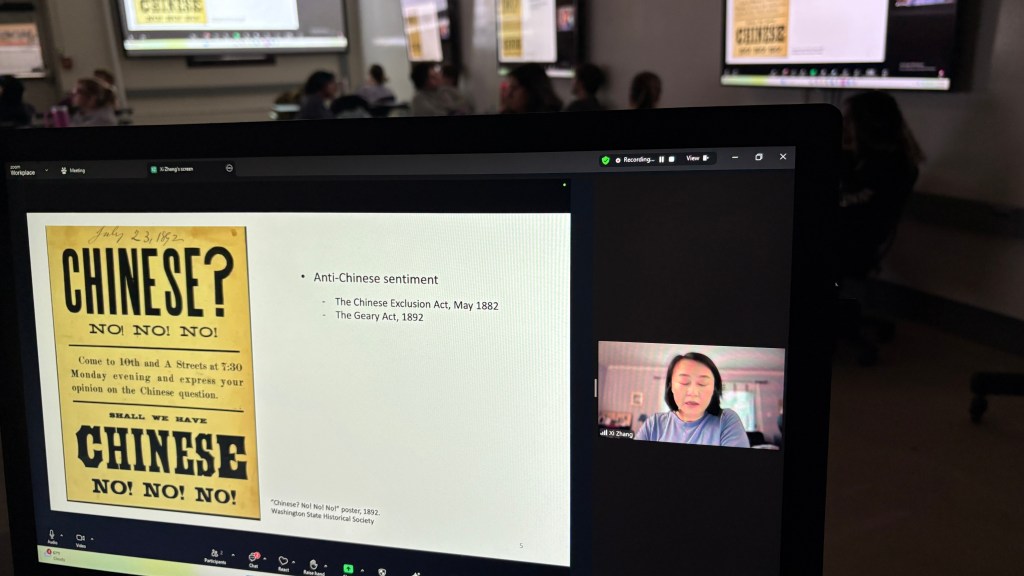
The aim is not to reproduce historical imagery literally; Instead, you will critically analyze, deconstruct, and reinterpret images that once functioned as stereotypes or ideological symbols. Reuse of these historical images can take many creative forms, whether through direct visual critique of elements, abstract reinterpretation, or conceptual reframing.
Possible Approaches
Here are some possible strategies to consider when combining your chosen quote and historical image(s):
1) Reframing visual elements: Extract visual motifs from the historical image(s) and recontextualize them through parody, collage, juxtaposing, layering, or redrawing as a way to critique that past and question the present.
2) Visual-text dialogue: Treat the poster as a space where word and image engage in conversation or tension. Emphasize the interplay between your chosen quote and imagery, making visible your personal perspective on social issues.
3) Abstract conceptualization: Extract the underlying themes of the historical images (e.g. exclusion, appropriation, othering, labor, migrant, consumption, etc.), and critically translate that idea in your design in a more abstract way through form, color, typography, composition rather than literal reposition.
Image Database:
https://nmaahc.si.edu/explore/stories/blackface-birth-american-stereotype
https://nmaahc.si.edu/explore/collection/search
https://muse.jhu.edu/pub/21/article/509019
https://americanhistory.si.edu/collections/search?edan_q=chinese%20trade%20card
Deliverables
1\ Static Poster
12″ x 18″ 300dpi (hi-res .jpg)
2\ Digital/Animated Poster
1920 x 1080 (.mp4 and .gif)
3\ Reflection Statement (300-500 words) : Explain why you select the image(s) and quote, how you critically understand and reinterpret the historical imagery, and how your final design engages with contemporary social issues
Project Timeline
Week 1:
09-24 Introduce 19th-century American posters
09-29 Students choose a poster and a quote, meet with instructor individually, and start working on it.
Week 2:
10-01 Brainstorming and Sketches
10-06 Choose fonts and visual materials.
Week 3:
10-08 First Around Presentation
10-13 Work on the static poster
Week 4:
10-15 Work on the static poster
10-20 Second Around Presentation and finalize the static poster design, start working on the animated poster.
Week 5:
10-22 Work on the animated poster
10-17 Work on the animated poster
Week 6:
10-29 Students start preparing the final presentation. We can generate a short animation as a big group project.
11-03 Final Presentation
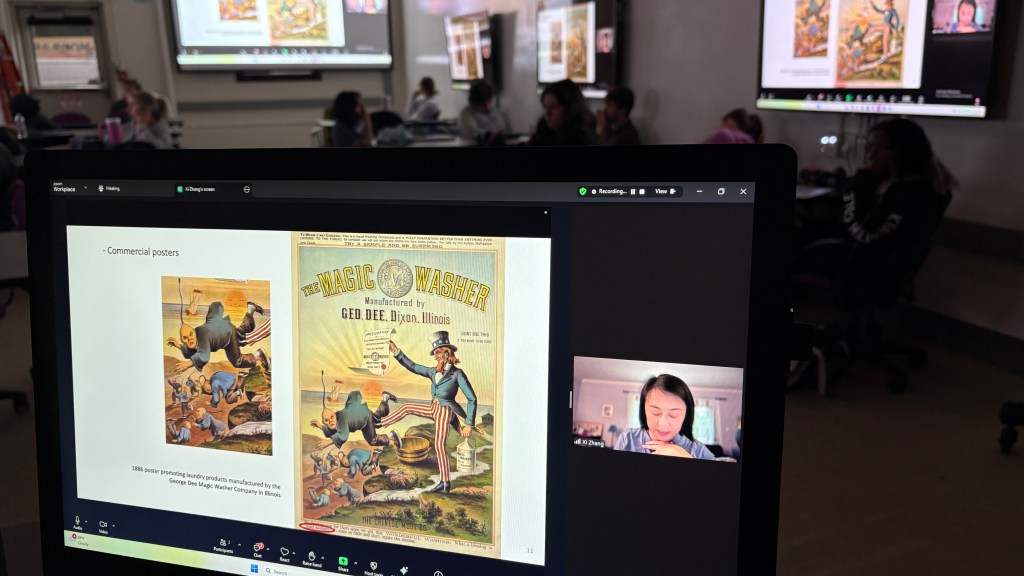

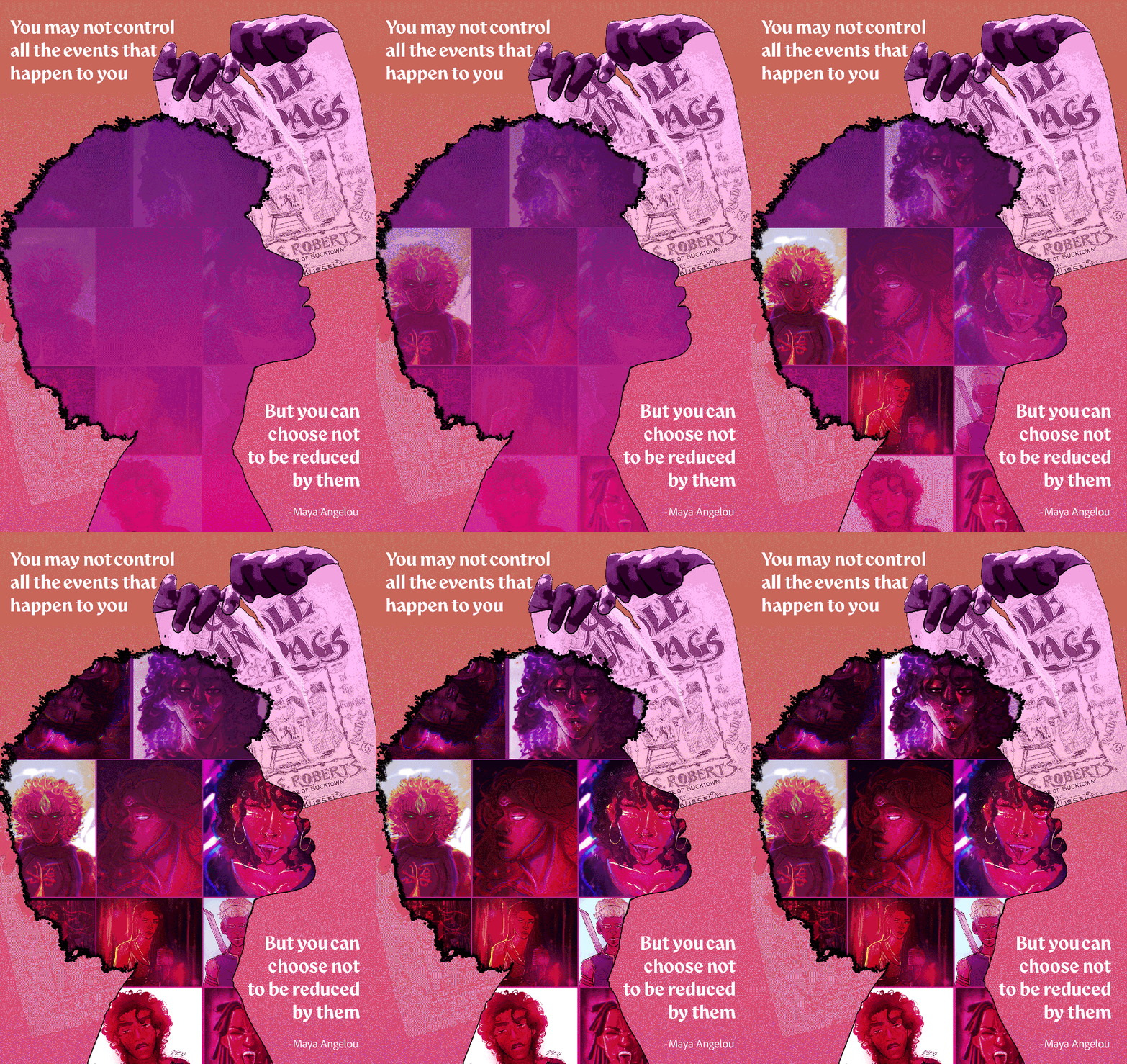
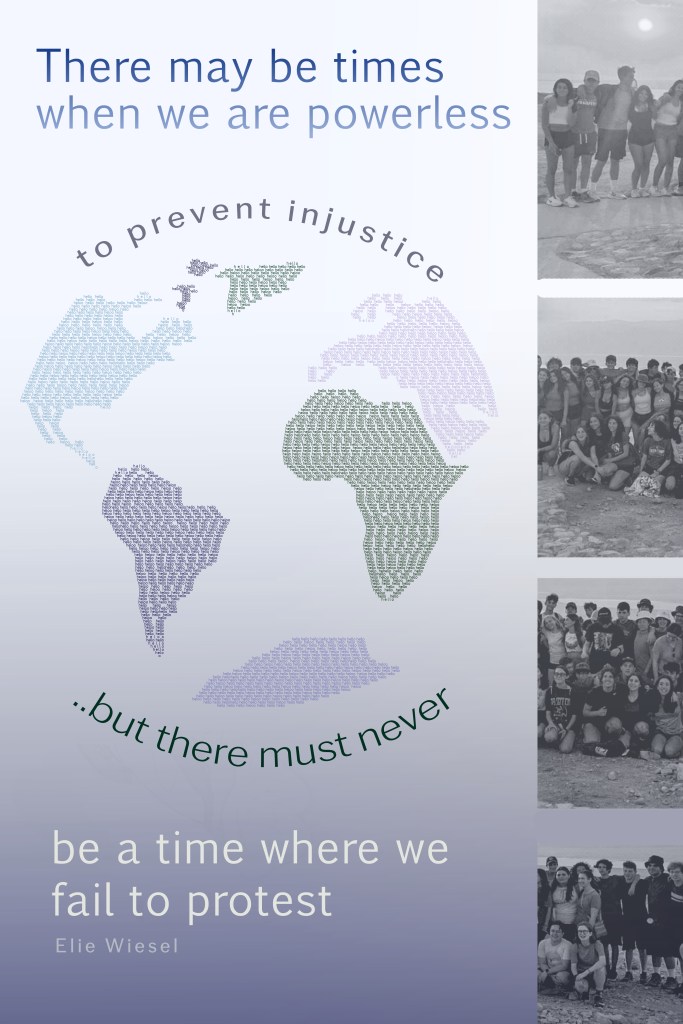
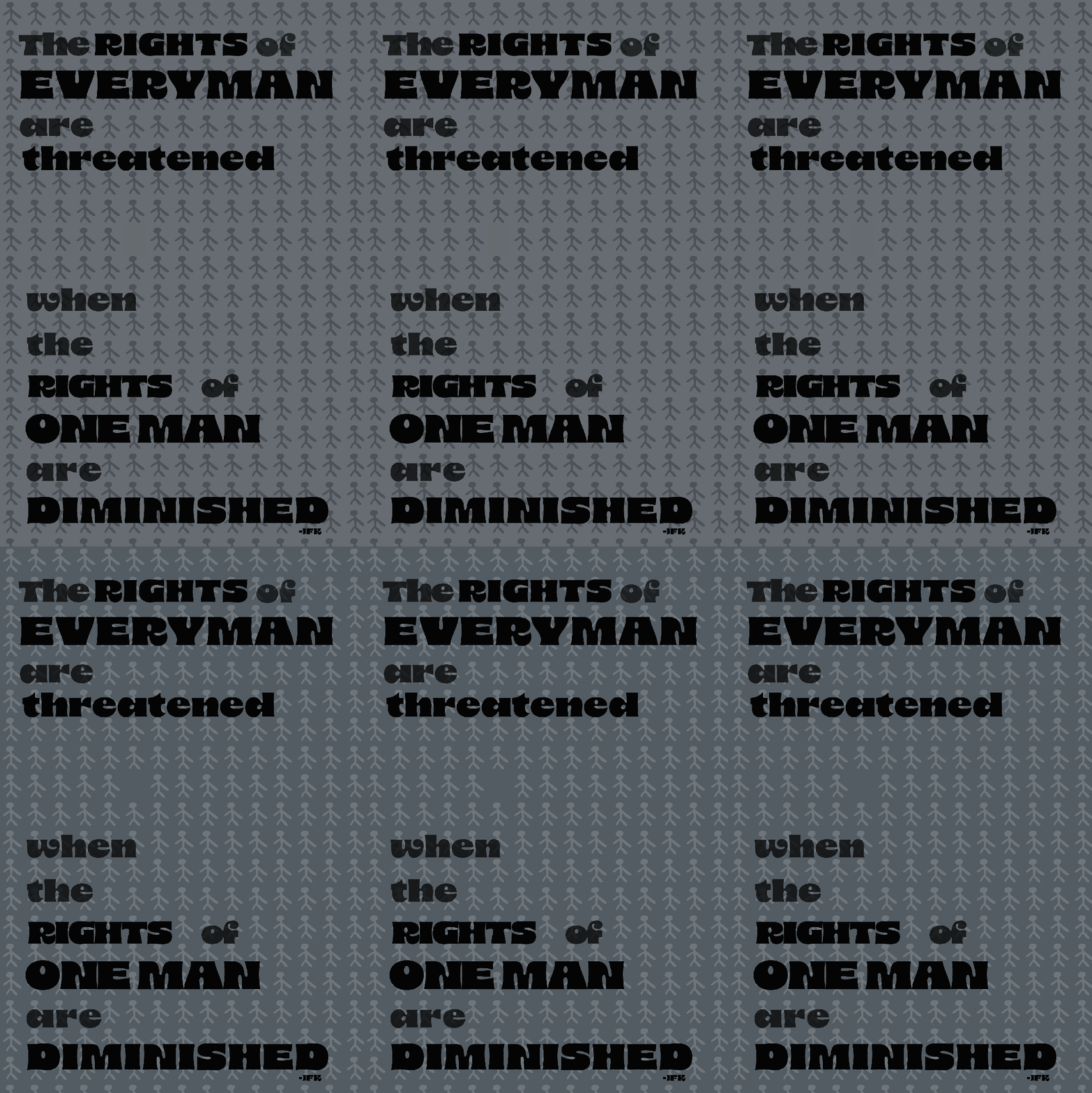
Students’ Final Presentation


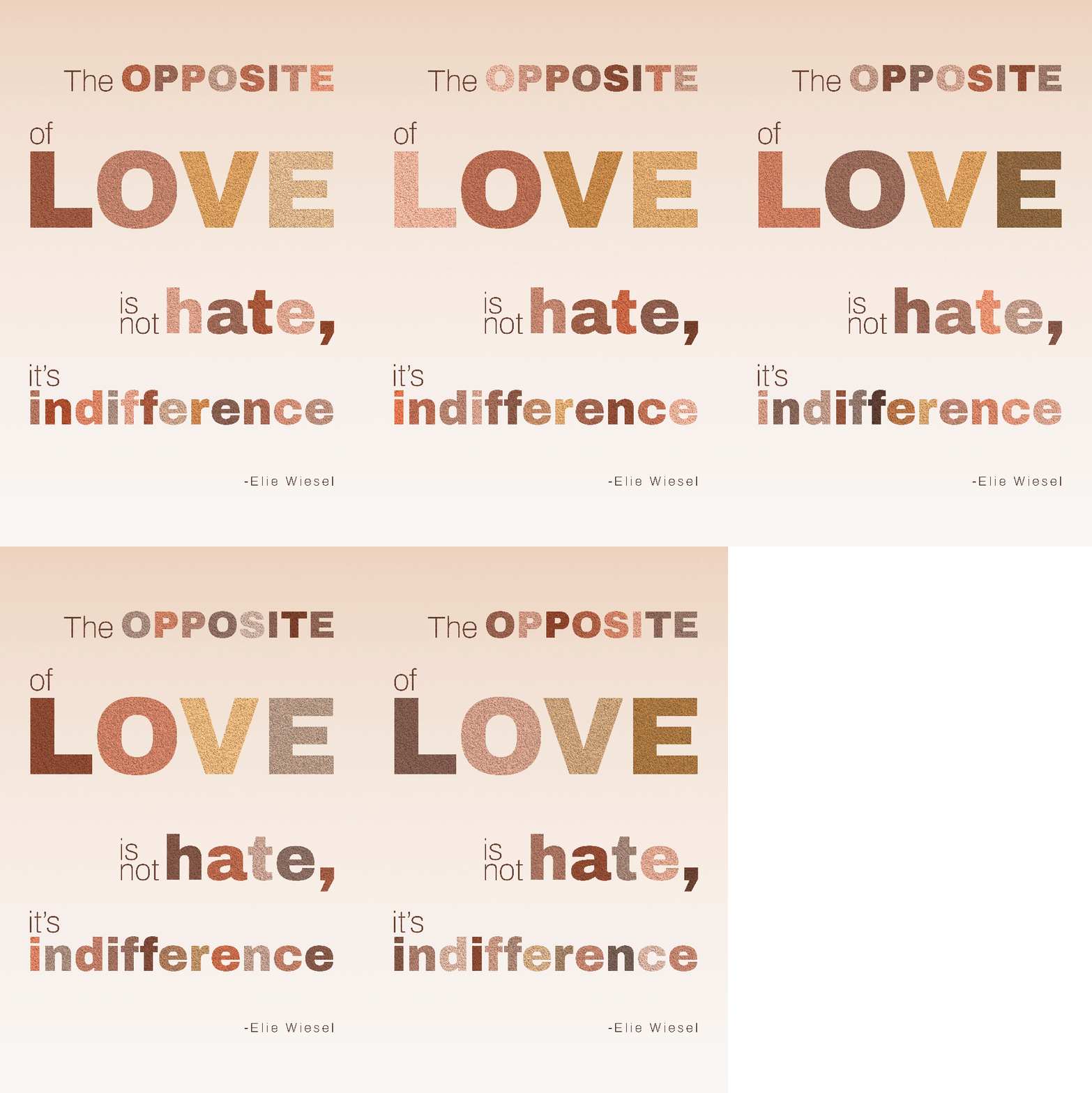
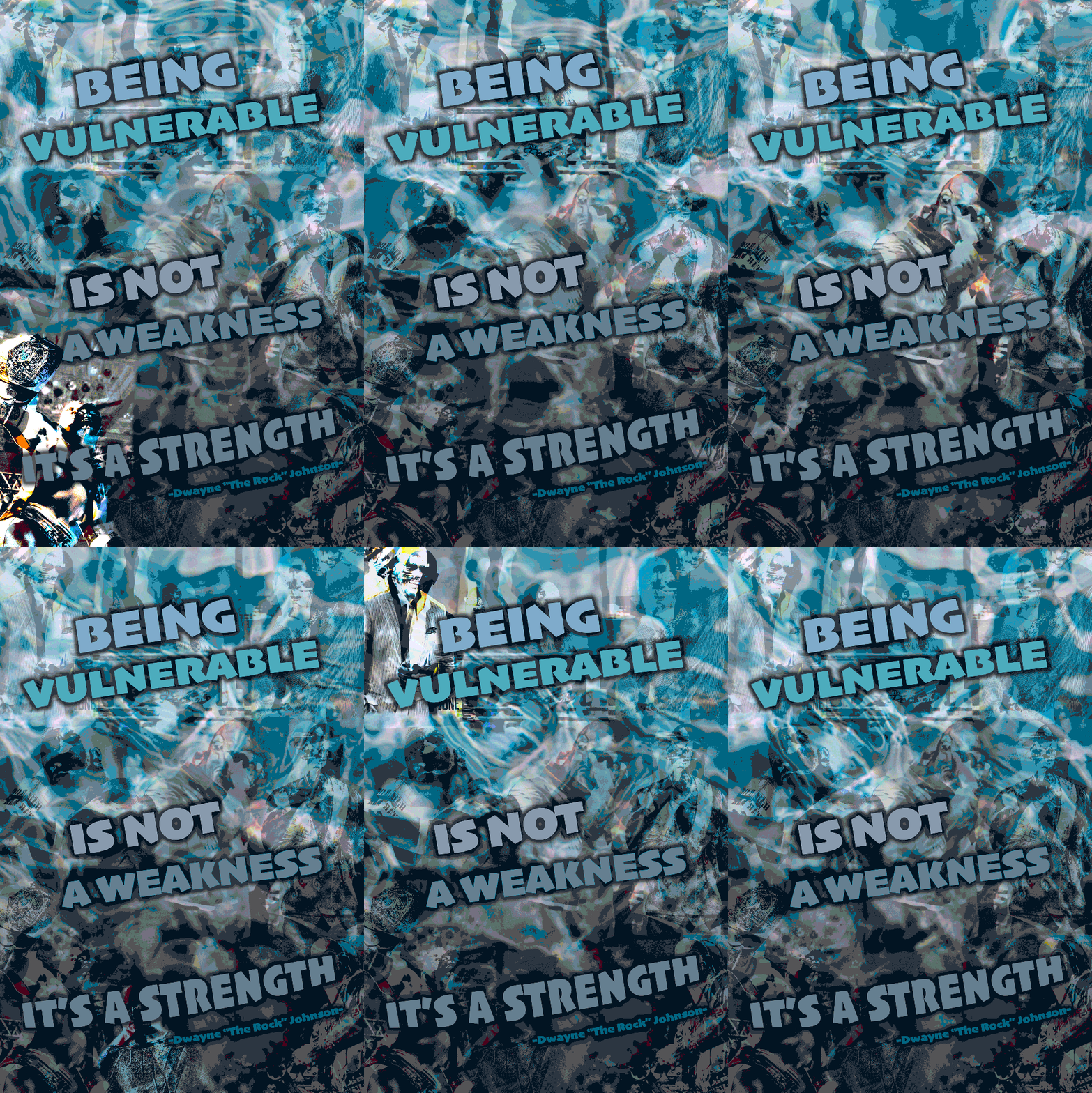
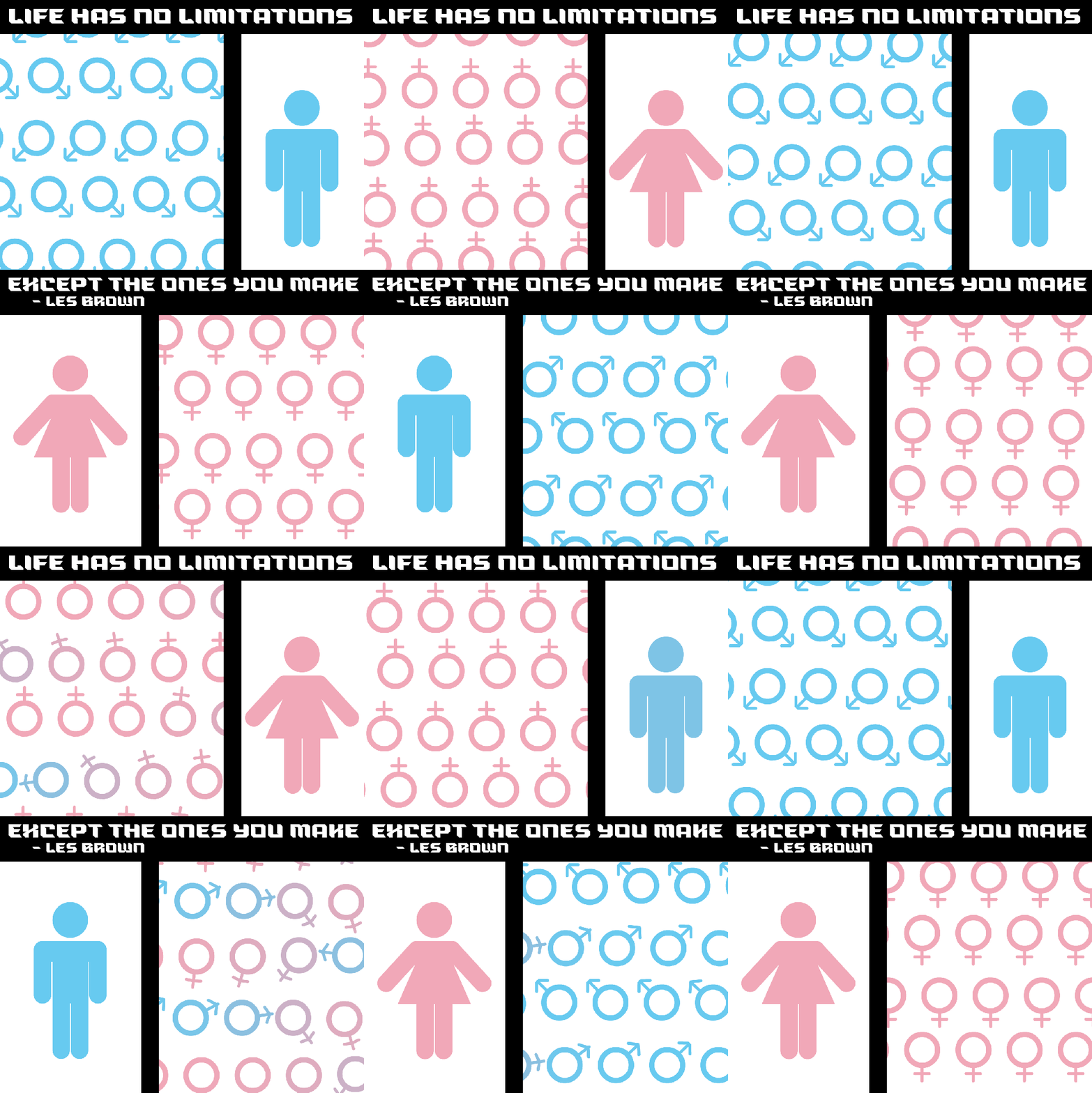



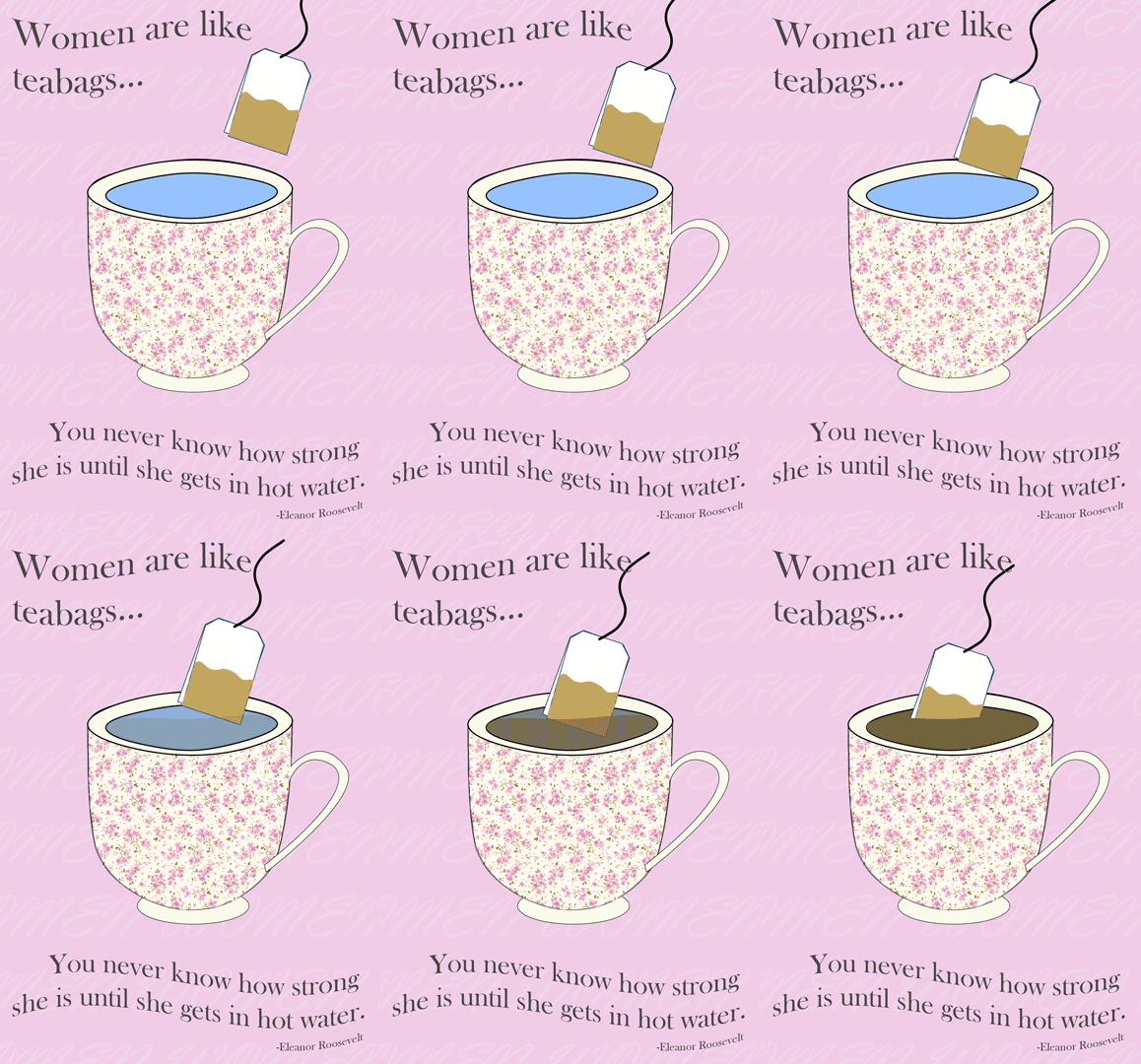

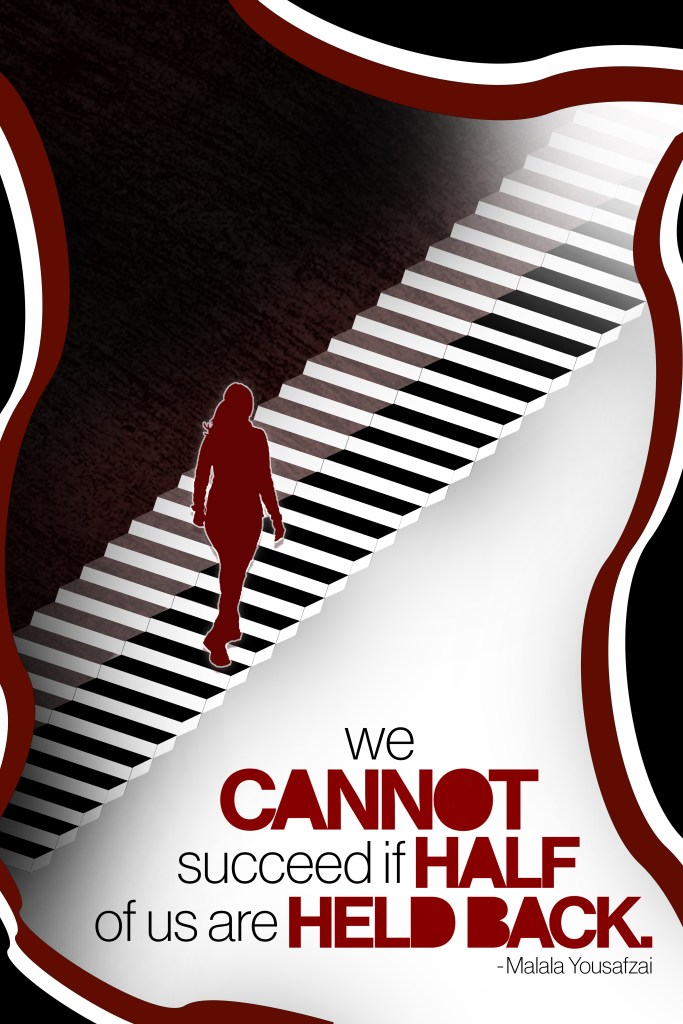
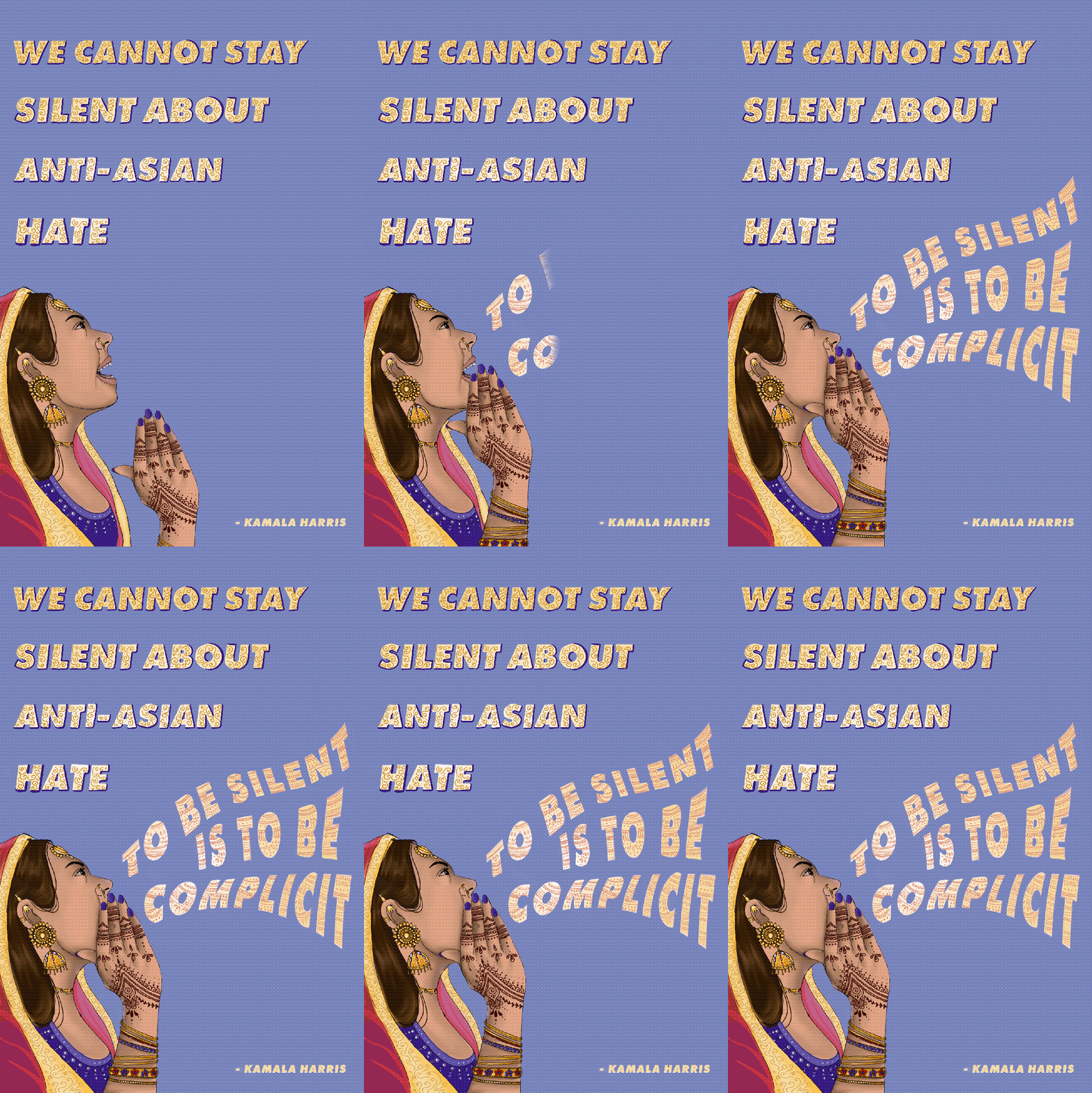
From Xi and Ting
We wanted to thank you all for the efforts you put into completing this challenging project. It was not an easy task, as it asked you to bring together so many elements. We are deeply moved by your work. Your designs and reflections reveal not only who you are, but also the past of your cultures—both the proud and painful parts, as well as your future as promising designers responding to a changing society and world. It has been a true joy to work with you on such a meaningful project!
 Ting Zhou >> mHealth Design Lab